The Kraków Salon of Elżbieta and Krzysztof Penderecki

The Kraków Salon of Elżbieta and Krzysztof Penderecki is a place for workshops, debates, masterclasses, recitals and the exchange of ideas. It is housed in the Pendereckis’ former residence in Wola Justowska, which for almost five decades welcomed leading figures from the worlds of culture, the arts, academia and business. The Salon carries this tradition forward by supporting young musicians and giving them the opportunity to work directly with distinguished artists and teachers.

An open house

For decades, the Kraków home of Elżbieta and Krzysztof Penderecki was far more than the private residence of a composer and one of Poland’s leading figures in musical life. It became an informal salon: a meeting place for artists, cultural figures and people from across the creative world.

Conversation lay at its heart — free-ranging, informed and able to cross the boundaries of artistic disciplines, languages and national experience. Encounters grew into friendships, friendships led to collaborations, and collaborations sometimes became projects that left a lasting mark on musical life.

Elżbieta Penderecka had a remarkable gift for bringing people together. She combined the roles of host, diplomat and arts manager. Her energy, determination and knowledge of the international cultural world enabled her to pursue projects that others had thought impossible. In time, she established an independent reputation as a festival director, an advocate for Polish culture and a champion of artistic talent.

Krzysztof Penderecki brought the authority of one of the defining composers of his generation, together with the intellectual curiosity of a humanist for whom music belonged to a wider cultural landscape encompassing literature, history, religion, architecture and the natural world.

Their partnership was founded on a profound sense of complementarity. He composed, conducted and forged a musical language of his own. She created the conditions in which his work could flourish while developing artistic projects of her own. Together, they represented Polish culture with the quiet confidence of people who never needed to persuade the world of its value.
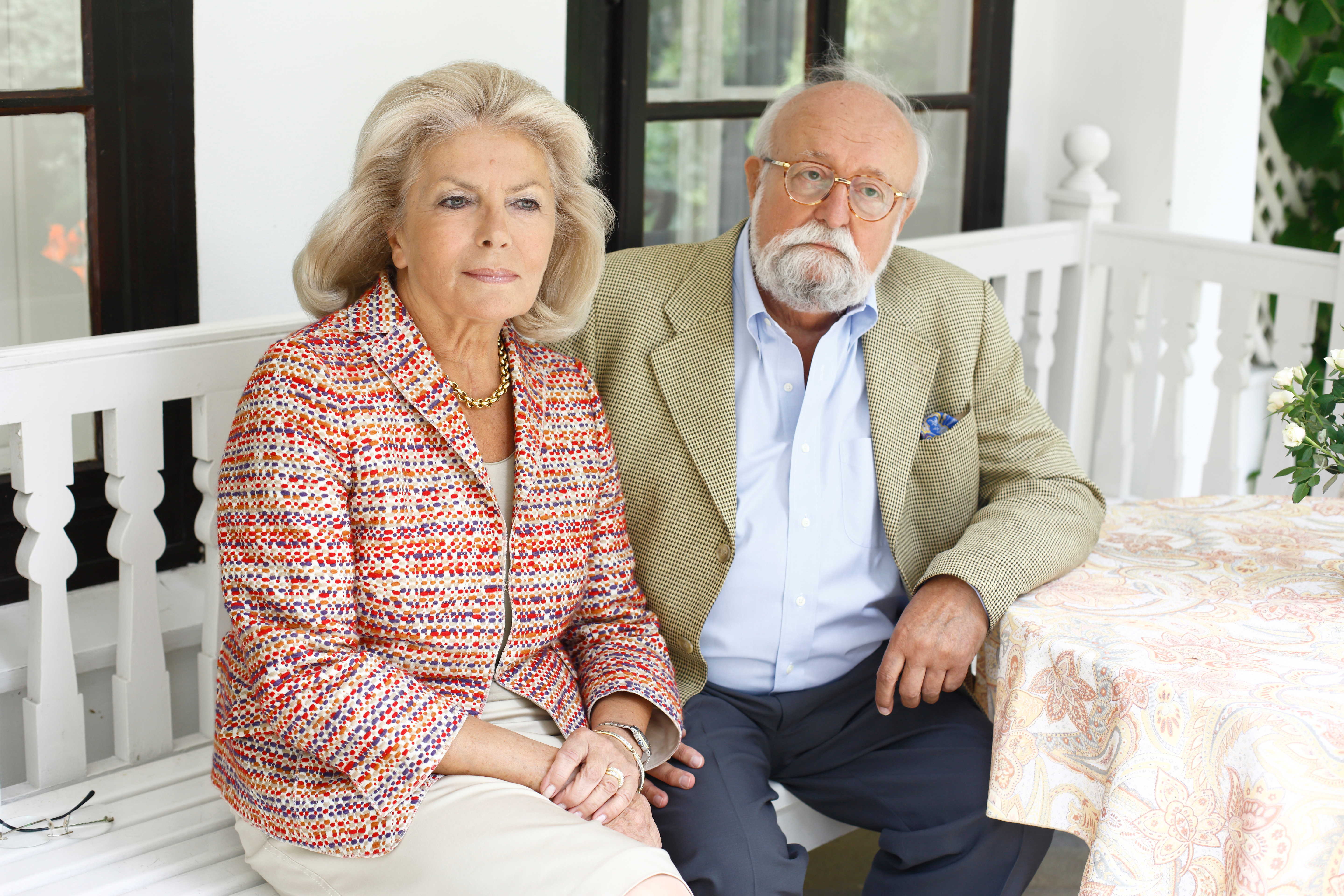
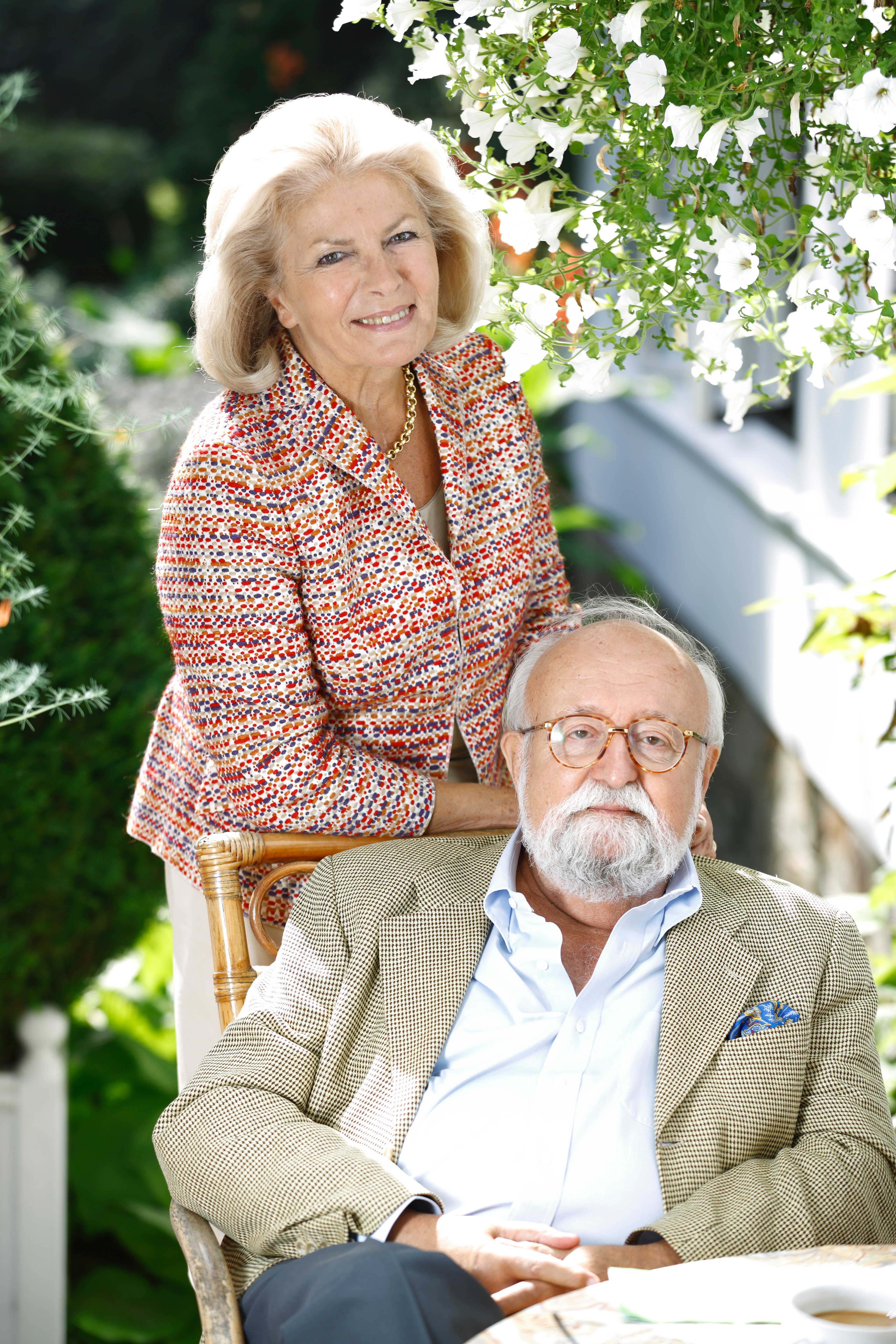
Elżbieta and Krzysztof Penderecki

Nurturing talent

The Pendereckis understood that even the greatest talent cannot develop in isolation. It needs a perceptive mentor, time and attentive encouragement, as well as practical opportunities: lessons, travel, performances and contact with outstanding musicians and teachers.

For five decades, they supported young musicians, helped them develop their careers and introduced them to the professional world of music.

Elżbieta Penderecka had a keen eye for emerging artistic personalities. She recommended young performers, opened concert platforms to them and supported them at decisive moments in their careers.

Elżbieta and Krzysztof Penderecki also funded places for exceptionally gifted young musicians on masterclasses taught by some of the most influential figures in classical music. They believed that talent was rare: it had to be recognised, nurtured and given the conditions in which it could fulfil its promise.

A living legacy


The Kraków Salon of Elżbieta and Krzysztof Penderecki is founded on the belief that a legacy should not simply be preserved. It should be set in motion.

At the initiative of the Ludwig van Beethoven Association, the Pendereckis’ Kraków residence will once again become a place alive with music. The Salon pays tribute to Elżbieta and Krzysztof Penderecki, but its purpose is above all to continue their work. Rather than merely celebrating an illustrious past, it will remain open to young artists, fresh interpretations, debate, questions and encounters whose outcome cannot be known in advance.

The programme will include recitals, masterclasses, workshops and conversations about music and culture. The Salon will bring internationally established artists together with musicians still searching for their individual voice. It will foster the direct relationship between teacher and student — an experience that no programme or institutional process can replace.

Both names belong in the Salon’s title because the Pendereckis’ legacies cannot be separated. Krzysztof Penderecki left some of the most significant works of the 20th and early 21st centuries. Elżbieta Penderecka created festivals, institutions and networks that brought music to audiences and enabled artists to meet across borders. He composed new worlds; she made people want to gather within them.

Elżbieta and Krzysztof Penderecki

Elżbieta and Krzysztof Penderecki

Bruno Fidrych
Privacy settings (cookies)
This website uses cookies to improve our service. For more information and to personalize your preferences, click "Settings." You can change your preferences at any time, as well as withdraw your consent to the use of cookies, on the following page.
Polityka prywatności
*Z wyjątkiem niezbędnych
Przesuwając suwak w prawo aktywujesz konkretną zgodę. Przesuwając suwak w lewo wyłączasz taką zgodę.
Required (1)
Analytics (2)
Marketing (6)