Elżbieta Penderecka was one of the most influential figures in Poland’s musical life. An arts administrator, festival founder and tireless champion of artists, she spent decades raising the international profile of Polish music.
Elżbieta Penderecka
An arts patron, a champion of Polish culture and the founder of the Ludwig van Beethoven Association, Elżbieta Penderecka was the driving force behind a number of major music festivals, including the Ludwig van Beethoven Easter Festival. She brought classical music, Polish artists and the country’s cultural heritage to leading stages at home and abroad, becoming one of Poland’s most prominent cultural ambassadors.

Elżbieta Penderecka
Nothing Was Ever Impossible for Her
Jacek Marczyński - Published in Beethoven Magazine
An Ambassador for Polish Culture
From Kraków to the International Stage
Born in Kraków, Elżbieta Penderecka studied physics at the Jagiellonian University after completing her secondary education. From 1965 onwards, she managed the office of her husband, Krzysztof Penderecki, playing a pivotal role in supporting the development of his international career.
In 1990, she co-founded Heritage Promotion of Music and Art, Poland’s first private agency dedicated to the promotion of music and the arts, serving as its President until mid-1995. From 1992, she was also closely involved in organising the Pablo Casals Festival in San Juan, Puerto Rico, where Krzysztof Penderecki served as Artistic Director from 1992 to 2002.
Building Orchestras, Festivals and Cultural Bridges
Elżbieta Penderecka served on the governing and advisory boards of numerous cultural institutions and foundations. She was a co-founder of the European Mozart Foundation and played a pivotal role in the creation of Sinfonietta Cracovia, supporting the orchestra’s development, promoting its work, organising concerts and serving as its patron. She also became the patron of the Beethoven Academy Orchestra, championing the next generation of young musicians.
From 1996 to 2000, she chaired the Programme Council of Kraków 2000 – European City of Culture, helping to shape one of the city’s most significant cultural initiatives. Through her efforts, Kraków welcomed some of the world’s leading ensembles, including the New York Philharmonic under Kurt Masur, the NDR Symphony Orchestra with Christoph Eschenbach, and Concentus Musicus Wien conducted by Nikolaus Harnoncourt.
In partnership with the Deutsche Stiftung Musikleben and the German Music Council, she also organised the Bundesjugendorchester tour Poland and Germany – Together in the Heart of Europe. Presented under the honorary patronage of the Presidents of Poland and Germany, the tour brought performances to Kraków, Warsaw, Poznań and Gdańsk, celebrating cultural dialogue and artistic collaboration between the two countries.
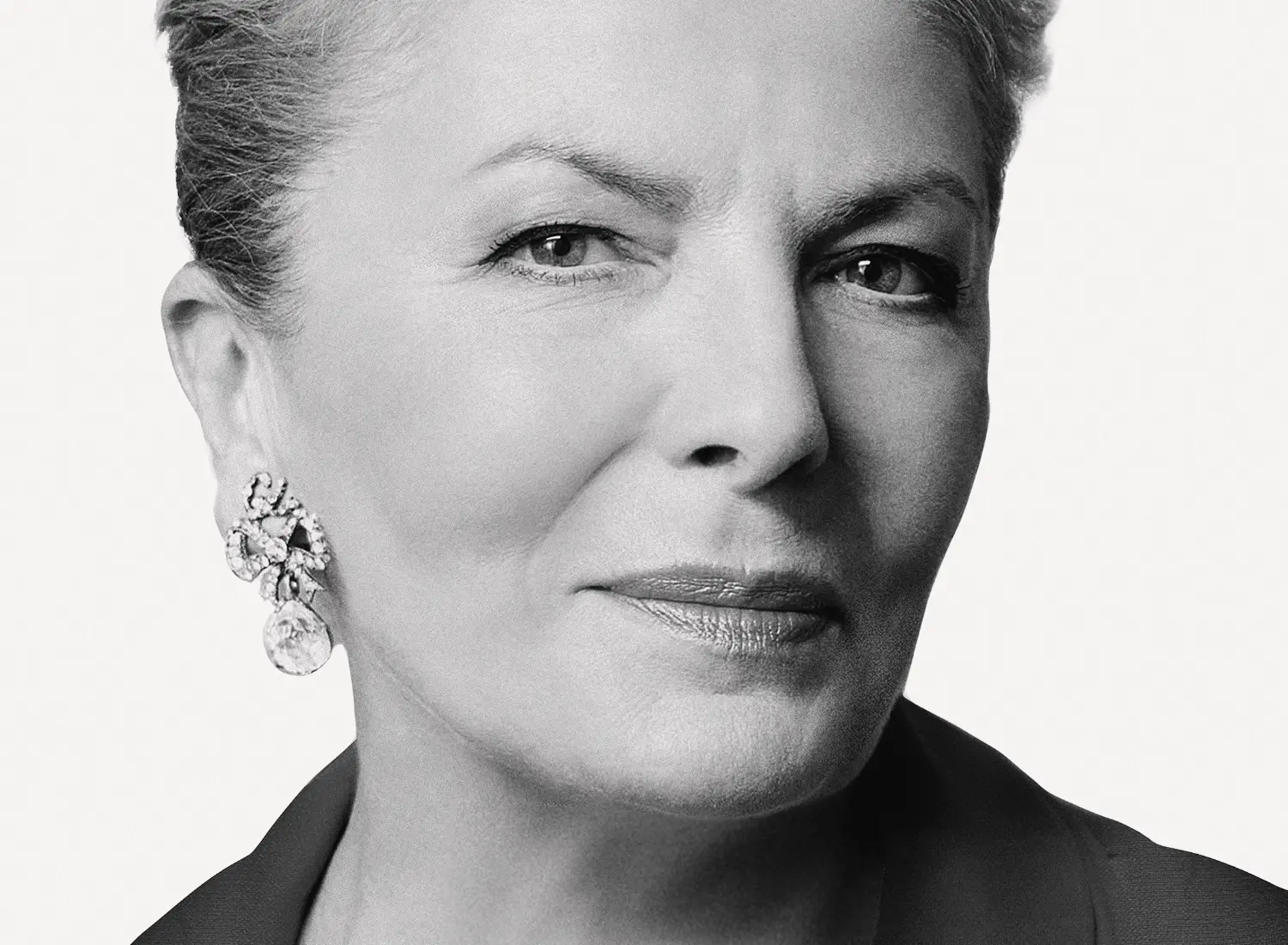
Elżbieta Penderecka
The Invitation That Opened Poland’s Concert Stages
In 1997, Elżbieta Penderecka launched the concert series Great Masters – Elżbieta Penderecka Invites, created to introduce Polish audiences to some of the most distinguished artists on the international music scene.
The inaugural seasons featured legendary performers including Mstislav Rostropovich, Jessye Norman and Simon Estes. In the years that followed, her invitations brought an extraordinary roster of musicians to Poland, among them Barbara Hendricks, Stanislav Bunin, Martha Argerich, Krystian Zimerman, Olga Borodina, Maxim Vengerov, Shlomo Mintz, Heinrich Schiff and Julian Rachlin.
The concept continued to evolve under new banners. In February 2001, as part of the Great Orchestras – Elżbieta Penderecka Invites series, she collaborated with the Grand Theatre – Polish National Opera in Warsaw to present the Cincinnati Symphony Orchestra.
The series exemplified what became the hallmark of Elżbieta Penderecka’s work: an exceptional ability to bring the world’s greatest artists to Poland and to create landmark cultural events that combined international prestige with a lasting commitment to the promotion of classical music.
Beethoven at Easter
Elżbieta Penderecka’s most enduring achievement was the Ludwig van Beethoven Easter Festival, whose inaugural edition she founded in Kraków in March 1997. The Festival quickly established an international reputation, welcoming many of the world’s leading soloists, conductors, choirs and orchestras.
In 2003, she founded the Ludwig van Beethoven Association, becoming its President. Since 2004, the Association has organised the Festival in Warsaw while also promoting Polish music and supporting the international presence of Polish artists through concerts, educational initiatives and cultural partnerships.
Lusławice – Investing in the Future of Music
Together with Krzysztof Penderecki, Elżbieta Penderecka helped establish the European Krzysztof Penderecki Centre for Music in Lusławice, a unique institution dedicated to the education and artistic development of young musicians. In December 2020, she became Chair of the Centre’s Programme Council and also served on the Advisory Board of the European Union Youth Orchestra.
Supporting emerging talent remained one of the defining priorities of her work. In 2001, she launched the piano festival Masters of the Piano – Great Talents in Kraków, showcasing exceptional young pianists at the beginning of what would become distinguished international careers.
International Recognition
In recognition of her outstanding contribution to Polish and international culture, Elżbieta Penderecka received numerous honours and distinctions. Among them were the Officer’s Cross and the Commander's Cross with Star of the Order of Polonia Restituta, the Gold Medal for Merit to Culture – Gloria Artis, the Bene Merito Honorary Badge, and the European Culture Award.
She was also decorated by the governments of Austria, Germany, Lithuania, Italy, Spain, Finland, Chile and Luxembourg. The Yale School of Music awarded her the Samuel Simons Sanford Medal in recognition of her exceptional service to music, while the Creator of Culture award honoured her vision in establishing landmark musical events and her lasting contribution to Poland’s cultural life.
Kraków – A Lasting Legacy
Elżbieta Penderecka passed away unexpectedly on 31 October 2025. Her funeral took place on 8 November at the Church of Saints Peter and Paul in Kraków, where family, friends and representatives of the cultural world gathered to pay their respects.
She was posthumously awarded the Grand Cross of the Order of Polonia Restituta, one of Poland’s highest state honours, and was laid to rest in the National Pantheon in Kraków.